
Renovation Vs Knockdown Rebuild: Which Is Right For Your Central Coast Home?
There's a moment many homeowners reach where the question shifts from "what should we fix?" to "should we start over?" It might be triggered by a structural issue that keeps resurfacing, a floor plan that simply doesn't suit how your family lives, or a property with real potential being held back by decades-old bones. Whatever the catalyst, it's one of the most significant decisions a homeowner can face — and for those weighing up renovation vs knockdown rebuild on the Central Coast, understanding the full picture before committing is essential. The choice between transforming what you have and starting fresh touches on budget, lifestyle, timing, heritage and long-term property value. Neither path is universally better. Both have genuine merit depending on your circumstances, and the right answer usually lives in the detail.
What Renovation Actually Involves
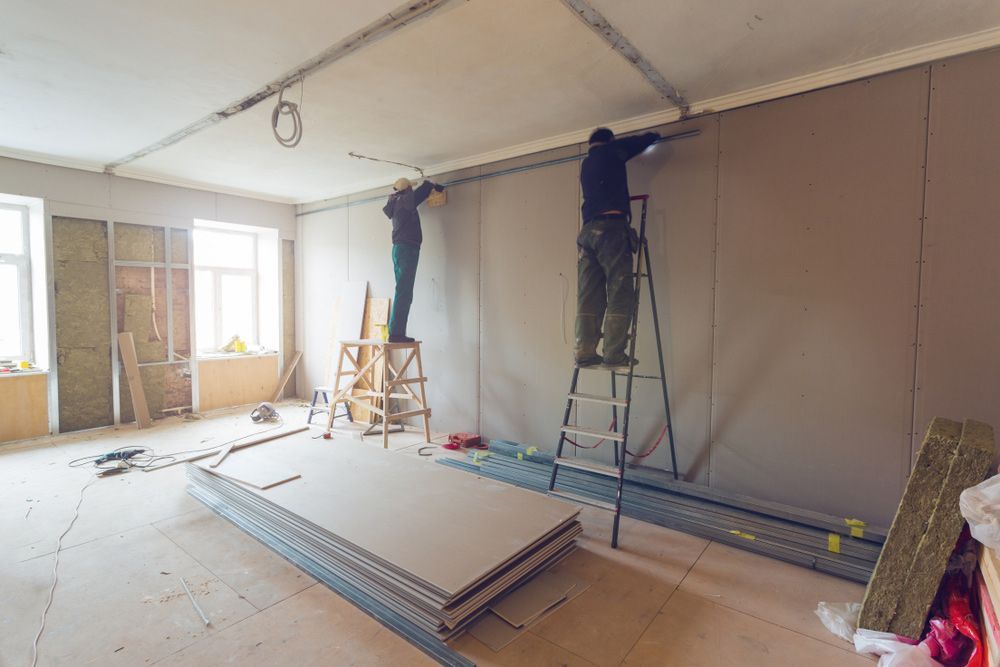
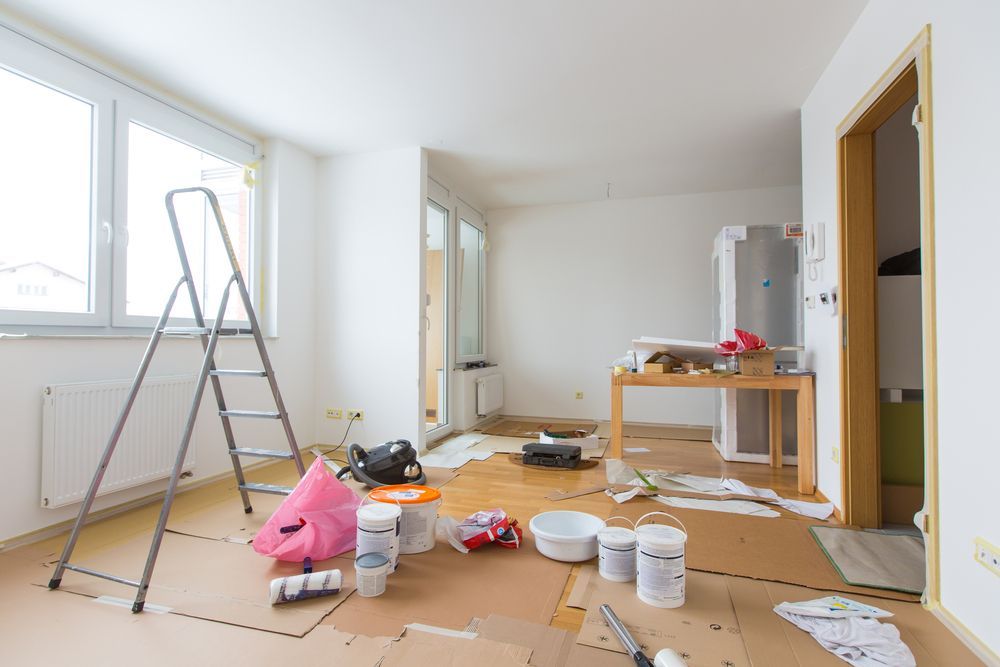
Scoping a home renovation in Central Coast homeowners can actually deliver on starts with understanding the full range of what renovation means. At one end, you have targeted upgrades including a new kitchen, updated bathrooms and fresh flooring throughout. At the other, you're looking at structural changes: walls removed, extensions added, rooflines altered. A well-planned renovation can fundamentally change how a property functions and feels, often without the costs or disruption of a complete rebuild. There are practical advantages to working within an existing structure, and many homeowners find the character of their home is worth preserving.
The practical advantages of renovation include:
- Existing foundations, frames and roofing may still have substantial life in them
- Council approval processes are often simpler for renovation than demolition and rebuild
- You can stage the work over time to manage costs more gradually
- The character and period features of older homes can be preserved and celebrated
When Knockdown Rebuild Central Coast Projects Make Sense
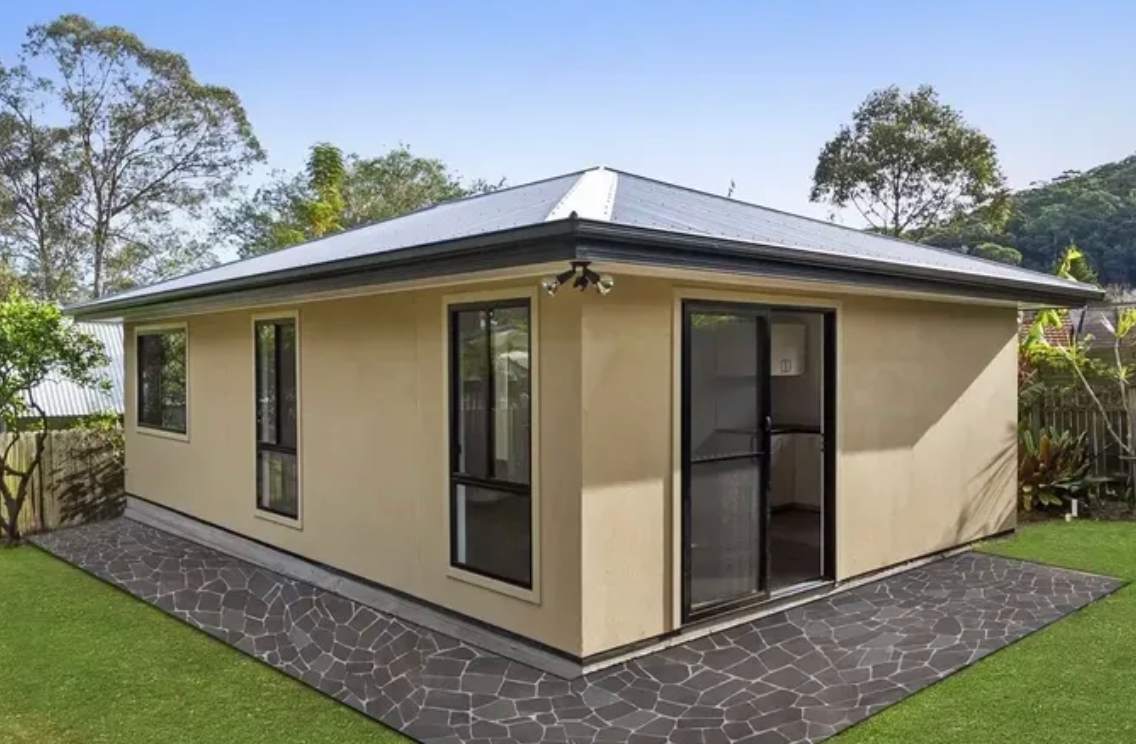
Some properties reach a point where renovation becomes a case of compounding costs without a satisfying result. A knockdown rebuild Central Coast builders undertake involves demolishing the existing dwelling entirely and constructing a new home from scratch on the same block. It's a clean-slate approach that suits certain situations better than others, and for some property owners it represents the more rational long-term investment. Recognising which category your property falls into early in the process can save a significant amount of time and money.
The scenarios where a rebuild tends to make sense include:
- Structural damage or deterioration that would cost more to remediate than to rebuild
- A layout so compromised it can't be meaningfully improved through renovation
- A block with strong land value where a new home would significantly lift the overall asset
- Homeowners who want full control over every design element from the ground up
Understanding the Cost Differences
Budget is almost always the first lens through which this decision gets evaluated, and it's one of the trickier comparisons to make without a proper assessment. Renovations can appear less expensive upfront but uncover significant costs once work begins. A knockdown rebuild gives you a more predictable cost structure because you're building new, but the initial outlay is higher. Neither path is inherently cheap, and it pays to go in with clear expectations.
Key cost considerations worth understanding include:
- Demolition and site preparation add meaningfully to the total cost of a rebuild
- Renovation budgets can shift once walls are opened and existing issues are exposed
- Stamp duty is not applicable on a rebuild, which can offset some costs
- Financing a rebuild versus a staged renovation can affect cash flow quite differently
How Timeline Shapes the Decision
The time it takes to complete either path is a real and practical factor, particularly for families managing temporary accommodation, school terms or rental commitments during construction. Renovations can sometimes be done in stages, allowing you to remain in the home while certain areas are being worked on. A full knockdown rebuild requires you to vacate entirely and typically takes longer end-to-end. Understanding this before you commit means fewer surprises once a project is underway.
Timeline factors worth mapping out before deciding:
- Staged renovations can spread disruption over months or years depending on scope
- A full rebuild timeline usually spans twelve months or more from planning to handover
- Council approvals and planning overlays can extend either process considerably
- Weather, supply chains and trade availability affect scheduling for both paths
Exploring Your Home Improvement Options Honestly
Before landing on either path, it's worth taking stock of all available home improvement options with a clear head rather than anchoring on a solution before fully assessing the problem. Many homeowners arrive at a decision too quickly, driven by a single frustration rather than the full picture. A broader look at what's structurally possible, what council permits and what the land value supports often leads to a more confident and financially sound outcome.
Where a broader assessment adds the most value:
- Understanding whether targeted improvements could solve the core issues without full-scale intervention
- Getting independent structural and planning advice before committing to either path
- Comparing like-for-like quotes that account for contingencies on both sides
- Factoring in livability during the project, not just the end result
The Impact on Property Value
Both renovation and a knockdown rebuild can deliver meaningful Central Coast property upgrades, but the degree to which they lift value depends on the quality of work, the starting value of the land and the state of the local market. Overcapitalising is a risk with both options, though it tends to be more common with extensive renovations on lower-value properties where the spend outpaces what the suburb can return at sale.
Factors that influence the return on investment include:
- Land value relative to comparable sales in the same suburb
- The condition and appeal of neighbouring properties
- Whether the upgrade brings the home in line with or above local market expectations
- Build quality and the longevity of materials used
Planning Approvals and Council Requirements
Navigating local council requirements is a necessary part of either process, and it pays to understand what's involved before you commit. Some properties sit within heritage-sensitive areas where demolition is restricted, making renovation the only viable path. Planning overlays, coastal proximity and bushfire mapping all play a role in what you're permitted to build and how, and these considerations are best identified well before a project begins.
Planning considerations that commonly affect this decision:
- Development applications are typically required for major structural renovations and all new builds
- Heritage listings or conservation areas may limit or prohibit demolition
- Bushfire attack levels and flood mapping can influence what is allowed to be built
- Easements, lot size restrictions and setback requirements apply to new constructions
Structural Assessments and What They Reveal
Before committing to either path, having a thorough structural assessment done on your existing home is one of the most valuable steps you can take. It gives you an honest picture of what you're working with — what the bones of the building are worth preserving and what's genuinely past its useful life. Many homeowners are surprised by what a proper assessment uncovers, both positively and negatively, and it forms the foundation of any well-informed decision.
What a structural assessment typically evaluates:
- Foundation integrity and any movement or subsidence
- The condition of the timber frame, roofing structure and load-bearing walls
- Plumbing and electrical systems and the cost to bring them up to current standards
- Asbestos or other hazardous materials that may affect demolition or renovation costs
Making the Call That's Right for Your Situation
There's no universal answer to the renovation vs knockdown rebuild question — only the right answer for your specific property, budget and goals. The most useful thing you can do before deciding is talk to a builder who has direct experience with both paths and who can assess your property without a predetermined outcome in mind. That conversation tends to surface the considerations that aren't obvious from a distance, and it can save you from committing to the wrong path early.
Ready to Talk Through Your Options?
We at Peter Whelan Building Services work with Central Coast homeowners at exactly this crossroads, helping you weigh up the real costs, constraints and possibilities before you commit to a direction. The Central Coast has its own planning rules, coastal considerations and market dynamics that matter in this decision, and we bring that local knowledge to every conversation. Whether you're leaning towards a renovation or starting to think seriously about a knockdown rebuild, we'd love to hear about your property and talk through what's genuinely possible. Get in touch with our team today to book a consultation.