
Building Site Safety: How Local Lake Macquarie Builders Keep Your Project Secure
Building site safety Central Coast homeowners and property developers involves protecting workers, visitors, neighbouring properties and construction materials throughout a project. From secure fencing and hazard assessments to equipment management and regular inspections, appropriate safety measures help reduce risks and keep building work organised.
Whether you're planning a new home, renovating an existing property or managing a residential development, knowing how builders maintain a safe construction site can give you greater confidence in the process.
At
Peter Whelan Building Services, we understand the importance of planning, communication and responsible building practices. Here's what homeowners should know about construction safety and the precautions professional builders take to protect their projects.
Why Building Site Safety Matters
Construction sites contain potential hazards, including exposed electrical wiring, uneven surfaces, heavy machinery, elevated work areas and building materials. Without suitable precautions, these hazards can put workers, homeowners and visitors at risk.
Effective safety management also protects the property itself. Damage to existing structures, neighbouring fences, landscaping or stored materials can create unnecessary expenses and construction delays.
For homeowners, local builders safety measures provide reassurance that potential risks are being identified and managed throughout construction. For property developers and investors, safe building practices also support project coordination and regulatory compliance.
Safety should be considered from the initial planning stages through to the final inspection, rather than treated as a one-off task.
Site Fencing and Access Control
One of the first steps in securing a construction site is controlling who can enter the work area. Temporary fencing, gates and appropriate signage help separate construction activities from public spaces.
These precautions are particularly important for residential projects where neighbouring properties, pedestrians and children may be nearby.
Depending on the project, suitable access controls may include:
- Temporary fencing around active construction areas
- Lockable gates to restrict unauthorised entry
- Warning signs identifying potential hazards
- Designated entry points for workers and deliveries
- Secure storage areas for tools and equipment
For renovation projects, separating occupied areas of the home from active building work is equally important.
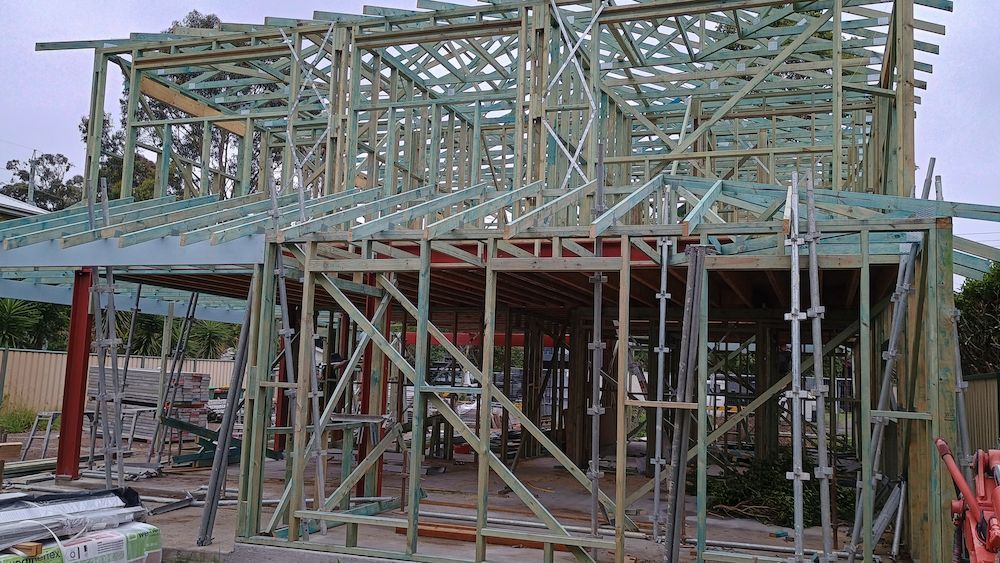
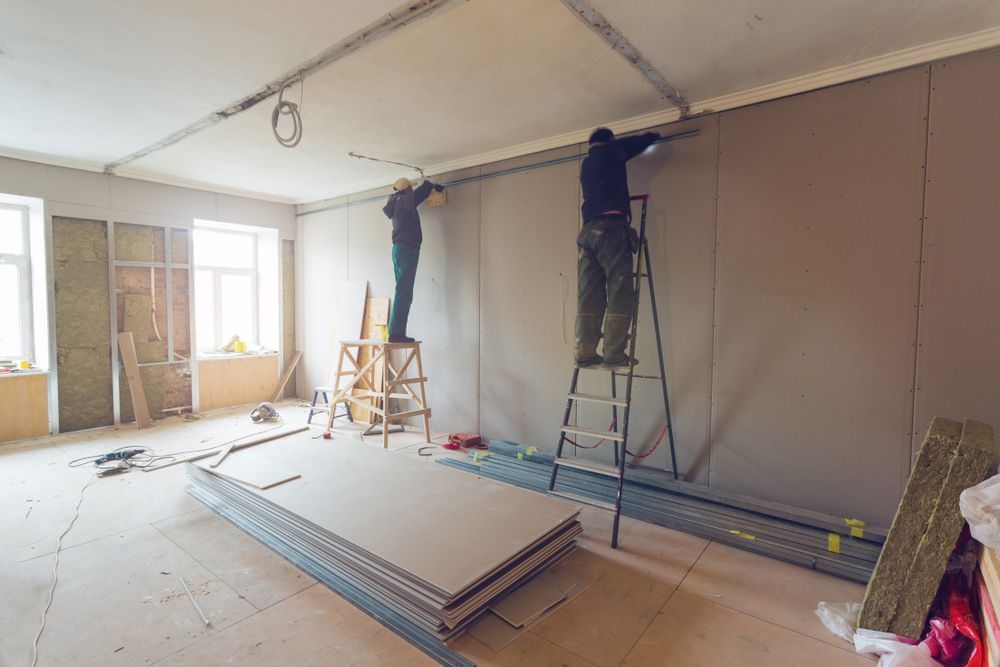
For example, if a family remains in their home during an extension, temporary barriers can help prevent children and pets from entering areas containing tools, exposed framing or unfinished flooring.
Proper home building security reduces the likelihood of unauthorised access while helping maintain a controlled working environment.
Identifying and Managing Construction Hazards
Every building project presents different risks depending on the property's layout, construction methods and surrounding environment.
Before work begins, builders and contractors should assess potential hazards and determine appropriate control measures. These assessments should continue as construction progresses and site conditions change.
Common construction hazards include:
- Falls from ladders, scaffolding and elevated surfaces
- Slips and trips caused by debris or uneven ground
- Electrical hazards from temporary power supplies
- Falling objects during roofing or structural work
- Dust, noise and airborne particles
- Movement of vehicles and heavy equipment
- Manual handling injuries when transporting materials
An important part of construction safety tips is recognising that hazards can change between different stages of a project.
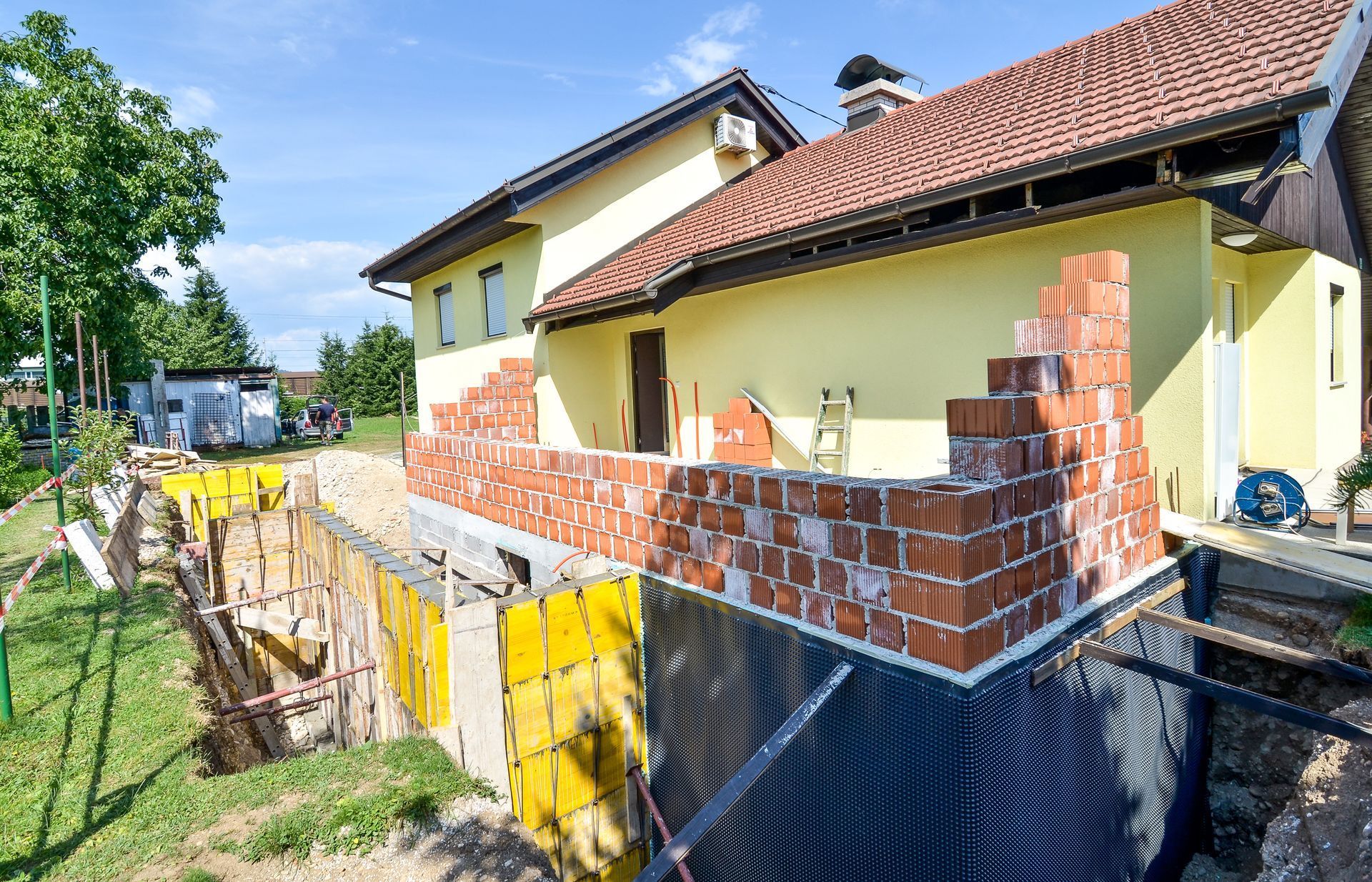
For example, excavation work introduces different risks from roofing, internal fit-outs or demolition. Builders should review their safety arrangements as new trades, machinery and activities arrive on site.
Identifying risks early allows suitable precautions to be incorporated into daily work, helping reduce disruptions and prevent avoidable incidents.
Personal Protective Equipment and Worker Safety
Personal protective equipment, commonly known as PPE, provides an additional layer of protection against workplace hazards.
Depending on the task, construction workers may need safety boots, hard hats, protective eyewear, gloves, hearing protection or respiratory protection.
However, PPE should not replace measures that eliminate or minimise hazards at their source.
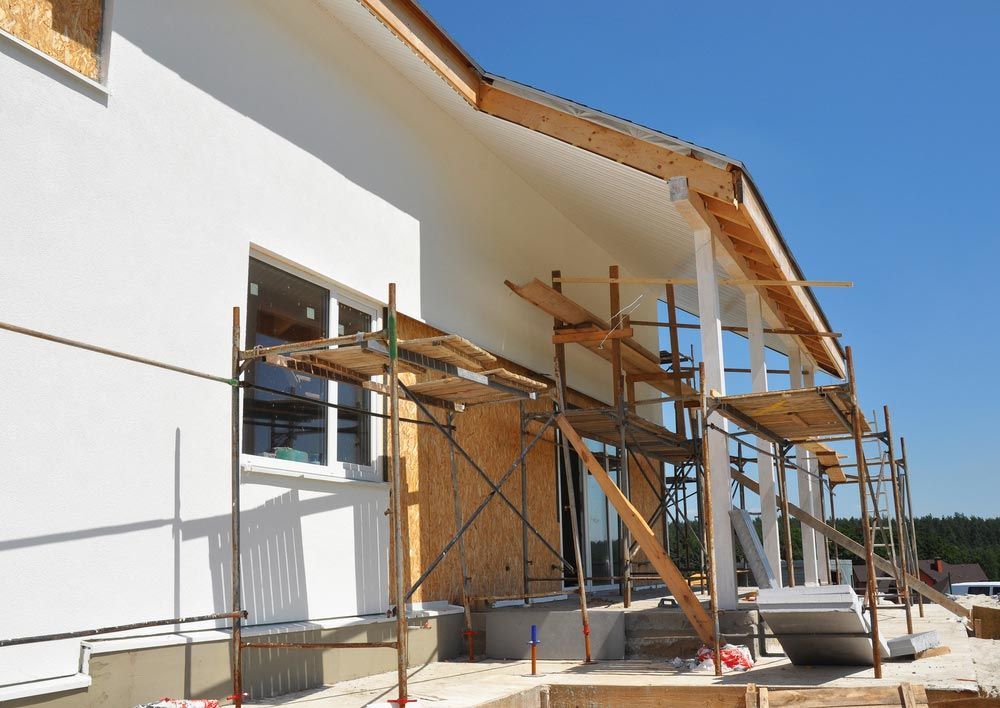
For example, suitable edge protection and correctly installed scaffolding are important controls for working at heights. Wearing a hard hat alone does not prevent someone from falling.
Safe building practices involve selecting appropriate equipment, providing workers with relevant instructions and ensuring protective measures remain effective throughout the project.
Workers should also understand site-specific requirements, emergency procedures and the risks associated with their assigned activities.
Regular communication between contractors helps ensure everyone understands their responsibilities, particularly when multiple trades are working on the property simultaneously.
Safe Equipment and Machinery Operation
Construction machinery can improve efficiency, but it also introduces risks that require careful management.
Excavators, power tools, concrete cutting equipment and lifting machinery should only be operated by people with the appropriate training, competency and licences where required.
Equipment safety involves more than knowing how to operate a machine. It also includes checking its condition, maintaining clear work areas and keeping other people away from moving equipment.
Builders and contractors should consider:
- Pre-use inspections of tools and machinery
- Suitable maintenance and servicing
- Safe electrical connections and leads
- Appropriate exclusion zones around machinery
- Clear communication between equipment operators and workers
- Safe storage when equipment is not being used
These measures are particularly important on residential sites where space may be limited.
For example, a narrow driveway or sloping block can make material deliveries and machinery movement more complicated. Planning access routes helps reduce the risk of collisions and property damage.
Protecting Materials and Property
Home building security also involves protecting construction materials, tools and existing property features.
Unsecured materials can create hazards, while theft or damage may disrupt the construction schedule and increase project costs.
Builders can reduce these risks through organised storage, appropriate site access controls and careful material handling.
Weather protection is another consideration, particularly when building materials are stored outdoors.
Timber, plasterboard, insulation and other products may require suitable covering or storage to prevent moisture damage before installation.
Existing structures should also be considered during renovations. Floors, windows, driveways and landscaping may need temporary protection depending on the work being completed.
Maintaining an organised site helps workers locate materials safely while reducing unnecessary movement around active construction areas.
Good housekeeping also matters. Removing waste regularly, keeping walkways clear and storing materials securely can help prevent trips, falls and damage to completed work.
Managing Weather and Environmental Risks
Weather conditions can influence construction safety across Lake Macquarie and the Central Coast.
Heavy rainfall may create slippery surfaces, waterlogged excavations or unstable ground conditions. Strong winds can affect scaffolding, unsecured materials and work performed at heights.
Hot weather also introduces risks associated with heat exposure, dehydration and fatigue.
Appropriate construction safety tips for changing weather conditions include monitoring forecasts, securing loose materials and reassessing work activities when conditions deteriorate.
Drainage and erosion control may also be necessary to prevent sediment from leaving the construction site and affecting neighbouring properties or stormwater systems.
Builders should consider how seasonal conditions and site exposure influence construction activities rather than relying on the same arrangements throughout the year.
Coastal locations may also experience salt exposure and strong winds, making suitable material storage and weather protection important considerations during construction.
Communication Between Builders and Homeowners
Clear communication plays an important role in maintaining a safe construction environment.
Homeowners should understand which areas are restricted, when major construction activities are scheduled and whether temporary access arrangements will be necessary.
This is particularly relevant during renovations where occupants may continue living at the property.
Before construction begins, useful questions to discuss with your builder include:
- Which areas of the property will remain accessible?
- How will children and pets be kept away from construction activities?
- When will deliveries and machinery operate?
- What should happen if a safety concern is identified?
- Who should be contacted about site access or unexpected hazards?
For property developers and investors, regular communication also helps coordinate contractors, inspections and project milestones.
Professional builders should establish practical communication arrangements so important safety information reaches the people who need it.
Following Australian Building Safety Requirements
Construction work in New South Wales is subject to workplace health and safety requirements, including obligations under the Work Health and Safety Act 2011 and associated regulations.
Depending on the work involved, builders and contractors may need to prepare Safe Work Method Statements for high-risk construction activities, manage site inductions and implement specific hazard controls.
The principal contractor also has particular responsibilities on construction projects that meet the relevant regulatory requirements.
Homeowners should understand that engaging a professional builder does not mean every construction risk disappears. Instead, the aim is to identify foreseeable hazards and manage them through appropriate systems and procedures.
Building site safety for Central Coast projects should be considered alongside relevant NSW legislation, SafeWork NSW guidance and applicable construction standards.
Requirements can vary depending on the project's size, complexity and type of work.
Choosing Builders Who Prioritise Safety
Selecting a builder involves more than comparing prices, construction timelines and design options.
Homeowners should also consider how potential builders approach site organisation, risk management and communication.
When comparing builders Lake Macquarie homeowners can engage and ask how they plan to manage construction hazards and protect your property during the project.
Useful questions include whether they hold appropriate licences and insurance, how subcontractors are coordinated and what arrangements are made for site security.
You can also discuss how the builder manages unexpected hazards, changing weather conditions and access restrictions during construction.
A builder who can clearly explain their approach to safety can help you make an informed decision before work begins.
Keeping Your Building Project Safe
Construction safety is an ongoing responsibility that requires planning, supervision and cooperation between everyone involved.
From fencing and equipment checks to hazard management and clear communication, appropriate precautions help protect workers, homeowners and surrounding properties.
The most effective approach combines practical safety measures with regular reviews as construction progresses.
If you're planning a new build or renovation, understanding the safety arrangements involved can help you prepare your property and choose a builder with confidence.
Planning a building project in Lake Macquarie?
Contact
Peter Whelan Building Services to discuss your construction plans, project requirements and next steps.
Frequently Asked Questions