
Weatherproofing Your Lake Macquarie Home During Renovations
Weatherproofing during a renovation means protecting exposed roofs, walls, openings and building materials before rain and wind can cause damage. Experienced builders in Lake Macquarie should plan temporary protection alongside the construction sequence, particularly when renovations involve removing roofing, windows, doors or exterior walls.
Good weatherproofing isn't just about throwing a tarp over an opening. It requires planning how water will drain, protecting unfinished work and checking temporary measures as the project progresses.
Why Is Weatherproofing Important During a Home Renovation?
A completed house has multiple layers designed to keep weather outside. During renovation, some of those protective layers may temporarily disappear.
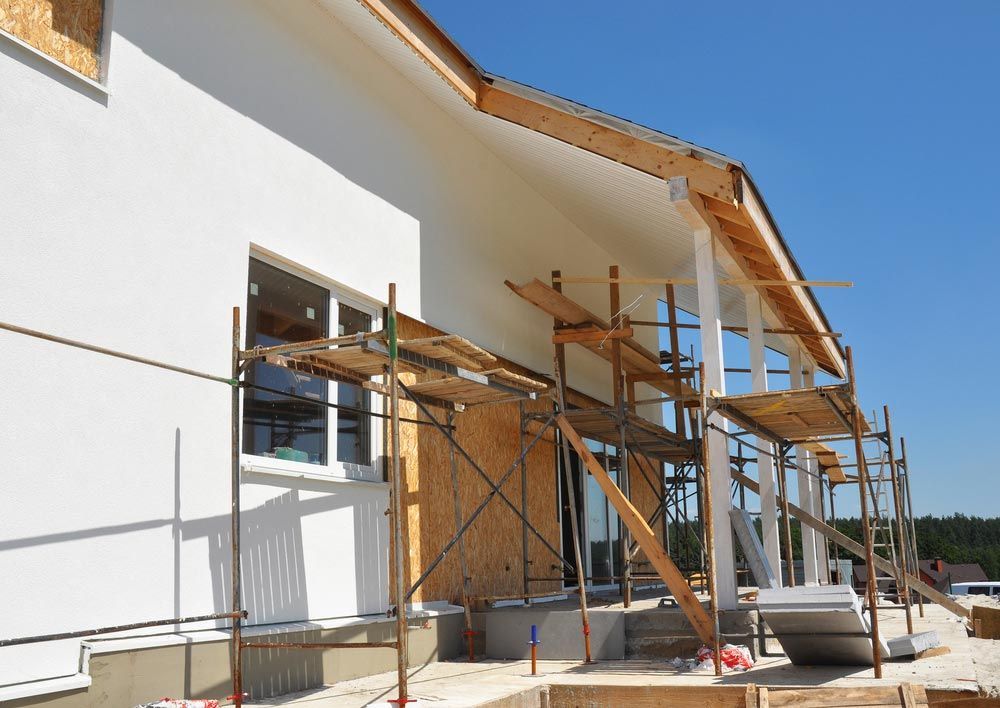
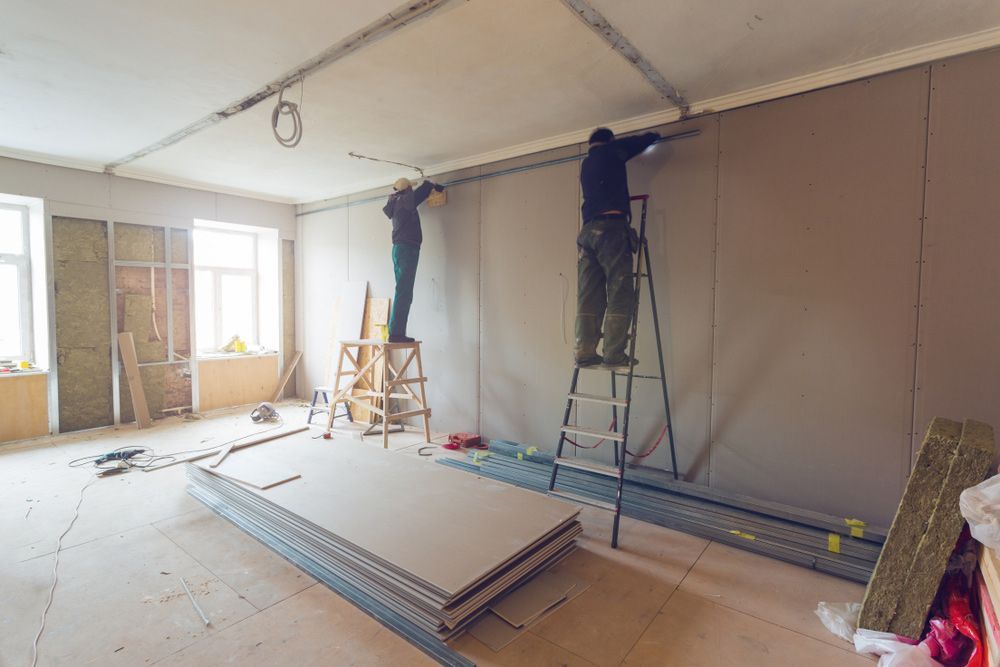
Removing roof sections, replacing windows, extending exterior walls or opening a house for an addition can expose areas that normally stay dry. If rain enters, moisture can reach insulation, plasterboard, timber, flooring and electrical components.
The risk isn't limited to visible leaks. Moisture trapped inside unfinished building elements can create problems that only become apparent later. Weather protection should therefore form part of the renovation plan from the beginning rather than becoming an emergency response once rain is forecast.
How Should You Plan Renovation Work Around the Weather?
Weather forecasts are useful, but a renovation can't rely on every forecast being correct. The better approach is to sequence work so the house remains protected as much as reasonably possible. Large openings shouldn't remain exposed longer than necessary, and temporary weather protection should be ready before demolition begins.
For example, if part of a roof needs to be removed, the team should already know how the exposed section will be covered if conditions change. A practical plan considers:
- Which parts of the home will be exposed
- How long they are likely to remain open
- Where rainwater will drain
- How temporary covers will be secured
- Which materials need dry storage
- What happens if bad weather interrupts work
This preparation becomes particularly important during substantial renovations where several trades may be working on the property at once.
How Can You Protect an Exposed Roof During Renovations?
Roof work creates one of the most obvious weather risks during a renovation. If roofing needs to be removed, temporary covers should be properly secured and positioned so water drains away from the exposed building. A loose tarp that collects water in the middle can create a problem rather than solve one.
Wind also needs consideration. Temporary coverings must withstand expected conditions without lifting and exposing the structure underneath. Where possible, roof work should be staged so only the necessary area is opened at a time. Reducing the amount of exposed structure reduces the area requiring temporary protection.
After rain or strong wind, temporary coverings should be checked again rather than assuming they remain in the same condition.
How Do You Keep Water Out Around New Windows and Doors?
Replacing or installing windows and doors temporarily interrupts the weatherproof exterior of the building. The opening needs protection during the installation process, and the completed window or door must integrate correctly with the surrounding wall system.
Flashings, seals and drainage details play an important role in directing water away rather than allowing it into the wall. Simply filling visible gaps with sealant isn't a substitute for correct construction.
Example: A homeowner replaces several windows as part of a larger renovation. One opening is left temporarily covered overnight, but the cover isn't arranged to drain water away from the wall. Heavy rain runs behind it and wets the unfinished interior. Planning the temporary protection and completing one opening at a time could substantially reduce that exposure.
This is one reason weatherproofing needs to follow the construction sequence rather than being treated as a final finishing job.
How Should Building Materials Be Protected From Rain?
Materials waiting to be installed can also suffer weather damage. Products should be stored according to manufacturer requirements and protected from moisture where necessary. Simply placing materials under a plastic sheet on the ground may not provide suitable protection if water can pool underneath or condensation becomes trapped. Depending on the product, appropriate storage may involve keeping materials:
- Under secure cover
- Elevated from wet ground
- Adequately ventilated
- Away from runoff
- In their protective packaging until required
Plasterboard, insulation, timber products, cabinetry and interior finishes can be particularly problematic if they're installed or enclosed while wet. If materials do become saturated, don't automatically conceal them within the finished building. Assess their condition first.
Why Do Gutters and Temporary Drainage Matter During Renovations?
Renovations can interrupt the normal way water moves around your home. Sections of guttering or downpipes may be removed, roof areas may change, and excavation can alter drainage around the site. Water that previously flowed harmlessly away can suddenly discharge beside exposed foundations or into a work area.
Temporary drainage should direct water away from vulnerable sections of the property. Keep existing gutters and drainage paths clear where they're still operating. Also watch where temporary covers discharge water—a large sheet can concentrate rainfall into one location and create pooling or erosion. For larger
home renovations on the Central Coast, drainage planning should be considered alongside structural and exterior work.
How Can You Prevent Moisture From Being Trapped Inside the Renovation?
Keeping rain out is only half the job. Any moisture that does enter needs an opportunity to dry. Closing wet materials inside walls, ceilings or floors can create longer-term problems. Before insulation, linings or finishes conceal an area, the structure should be appropriately dry and ready for the next construction stage.
Ventilation can assist drying where appropriate, but the underlying source of moisture still needs to be addressed. If you find a leak during construction, don't simply dry the visible surface and continue. Work out how the water entered and correct that issue first.
What Should You Check After Heavy Rain or Strong Winds?
A renovation site should be inspected after significant weather, especially while parts of the building remain temporarily protected. Check for:
- Displaced temporary covers
- Pooled water
- Wet building materials
- Leaking around openings
- Blocked gutters or drainage paths
- Water entering unfinished rooms
- Damage caused by wind
- Erosion around excavation or exposed ground
Finding moisture early gives you a better opportunity to dry the area and address the cause before subsequent work covers it. This is particularly important if the project has been unattended overnight or over a weekend.
Can DIY Renovators Weatherproof a Home Themselves?
DIY renovators can take sensible precautions, such as monitoring forecasts, protecting stored materials and keeping drainage paths clear. However, temporary weatherproofing can become more complex where structural work, roofing, scaffolding or large exterior openings are involved.
Working at height introduces additional safety risks. Improvised coverings can also fail if they aren't secured or drained correctly. If you're searching for a builder because your renovation involves substantial changes to the building envelope, professional planning can help coordinate demolition, structural work and weather protection in the right sequence.
A builder can also coordinate trades so vulnerable areas don't remain unfinished unnecessarily.
Why Does Your Choice of Builder Matter for Weatherproofing?
Weatherproofing during renovations depends heavily on sequencing and attention to detail. Experienced builders in Lake Macquarie should consider how each stage affects the home's exposure to weather. This includes what gets demolished first, when new exterior elements are installed and how unfinished areas are protected between stages.
Good coordination also reduces the risk of one trade removing weather protection before another is ready to complete the next step. For property owners comparing builders on the Central Coast, ask how the builder manages exposed sections of a renovation and what happens when poor weather interrupts scheduled work.
How Can You Keep Your Renovation Protected From Start to Finish?
Start weatherproofing before demolition, not after the first storm. Identify which parts of the building will lose their normal protection, prepare temporary measures, protect materials and regularly inspect exposed areas. As permanent roofing, windows, doors and exterior finishes go in, check that each element integrates correctly with the surrounding building.
The key takeaway is that successful weatherproofing relies on planning, sequencing and regular inspection. Protecting the building throughout construction can help prevent avoidable leaks and moisture damage from complicating an otherwise well-planned renovation.
Peter Whelan Building Services works with homeowners undertaking renovations and building projects across Lake Macquarie and the Central Coast. If you're planning substantial changes to your property,
contact the team to discuss how your renovation can be staged and managed from initial work through to a weatherproof finished home.
Frequently Asked Questions